
Voice care for professional singers
Who is this for?
Singers, actors, teachers and other professional voice users whose work depends on a reliable voice.
Examination
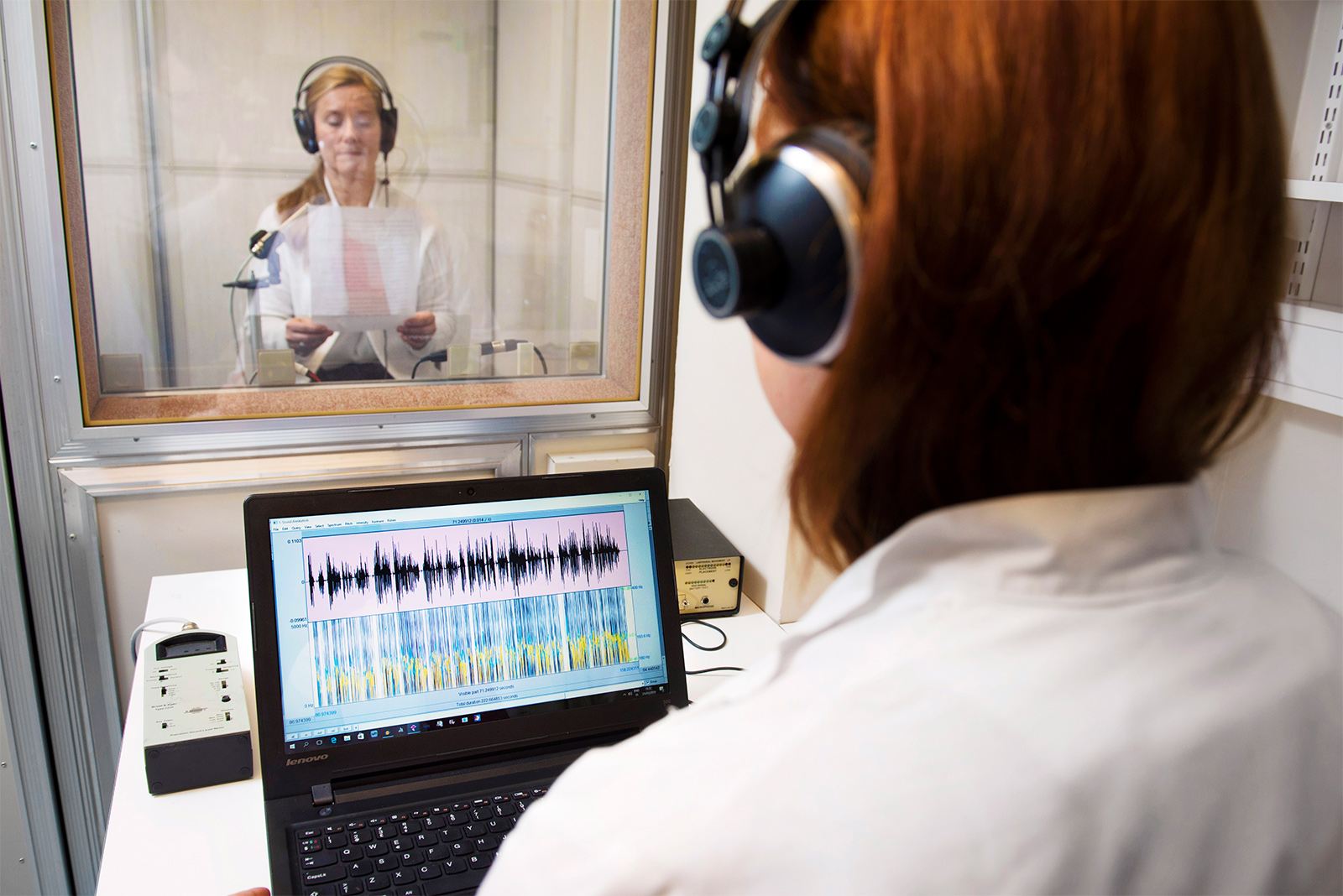
Advanced examination techniques allow a precise assessment of the vocal folds and larynx. They show both structural changes and functional limitations, including how the vocal folds behave as they vibrate.
Common problems in singers
Typical findings are nodules, polyps, small haemorrhages, swelling after heavy voice use, and loss of range or stamina.
Treatment
The recommended care is based on the condition of the larynx and the vibration of the vocal folds. Treatment is tailored to the demands of professional singing and can include strategies to optimise vocal performance, so you can sing safely and effectively. Surgery is planned conservatively and timed around performances when possible.
When to seek help urgently
A sudden loss of voice during singing can be a sign of bleeding in the vocal fold, and should be examined promptly.
Frequently asked questions
Have it examined promptly. A sudden loss of voice during singing can be a sign of bleeding in the vocal fold.
Treatment is tailored to the demands of professional singing. Surgery is planned conservatively and timed around performances when possible.
No. Nodules usually improve with voice therapy. See Vocal fold lesions and biopsies.
No. We also examine and treat actors, teachers and other professional voice users.